

- Experts and organizations from across the region stressed the need to translate international commitments into adequately funded policies, backed by effective monitoring and measurable results.
- Protecting vulnerable road users, particularly pedestrians and motorcyclists, strengthening institutional capacity, improving data and ensuring the meaningful participation of road traffic victims were identified as priorities for accelerating progress toward safer mobility.
Mexico City, October 6, 2026 – Representatives from international organizations, multilateral development banks, civil society and specialized institutions called on countries across Latin America and the Caribbean to speed up the implementation of road safety measures, secure adequate funding and improve accountability to reduce road traffic deaths and serious injuries by 2030.
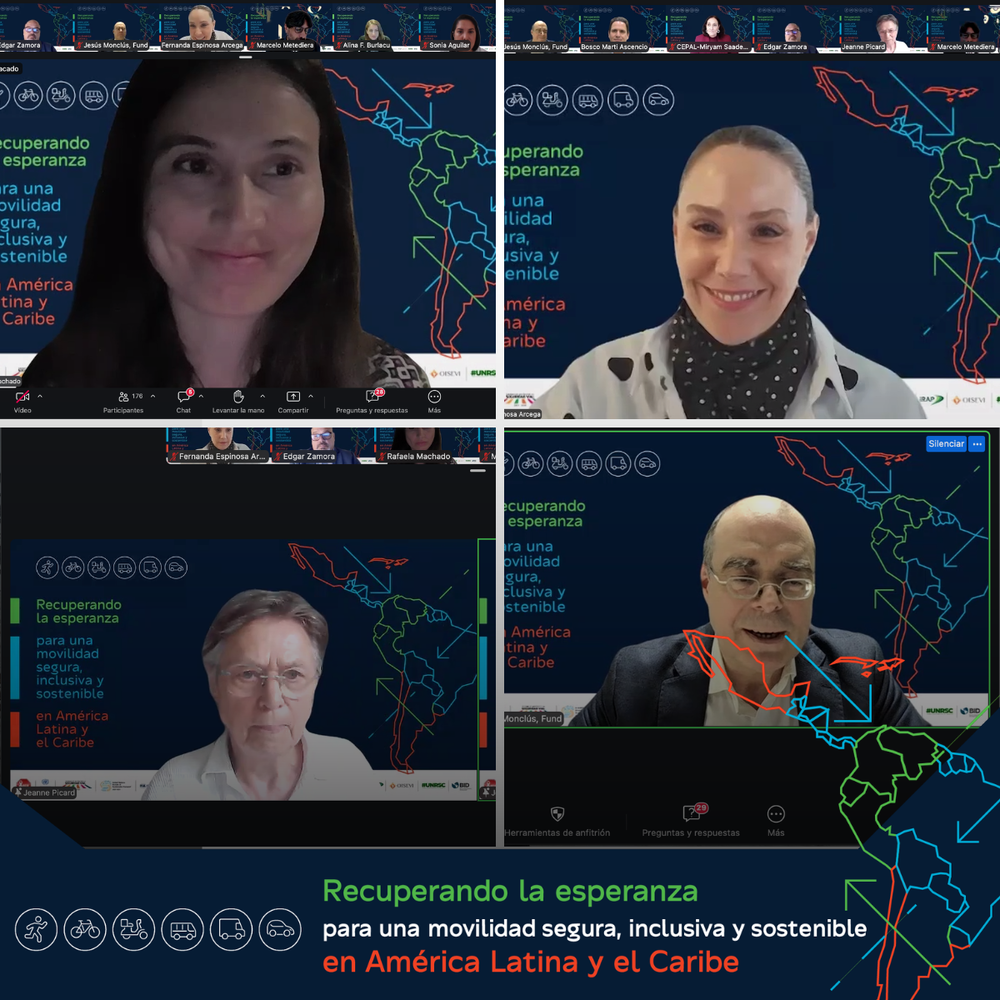
This call to action was made during the webinar “Restoring Hope for Safe, Inclusive and Sustainable Mobility in Latin America and the Caribbean,” organized by Aleatica Foundation for Road Safety and iRAP, with the participation of ASEVI, the Inter-American Development Bank (IDB), the World Bank, the Economic Commission for Latin America and the Caribbean (ECLAC), FIA Foundation, the Ibero-American Federation of Associations of Road Traffic Victims (FICVI), Fundación MAPFRE, the Global Alliance of NGOs for Road Safety, the Ibero-American Road Safety Observatory (OISEVI) and the Kingdom of Morocco.
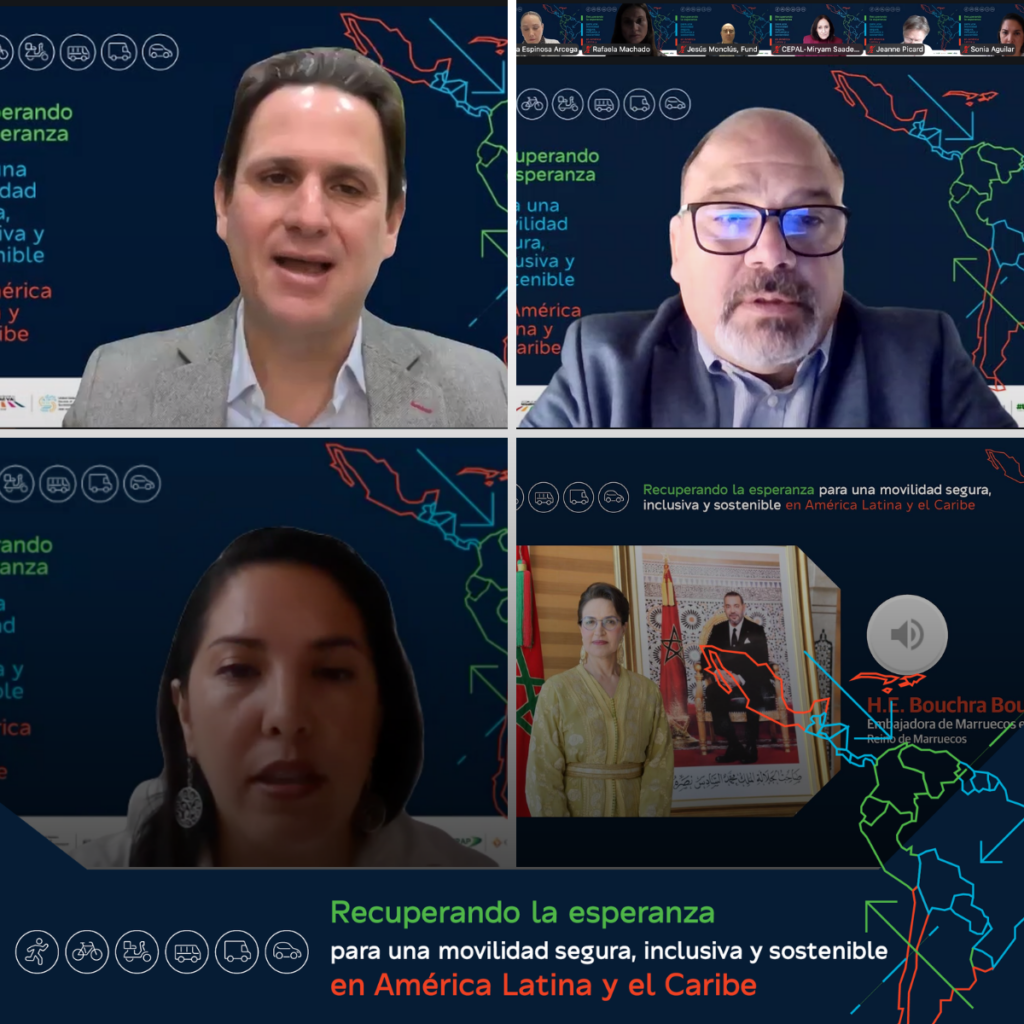
Participants agreed that the region already has the knowledge and tools needed to address its road safety challenges, but international commitments must be translated into sustained action, supported by adequate resources, accountable institutions and mechanisms to measure results.
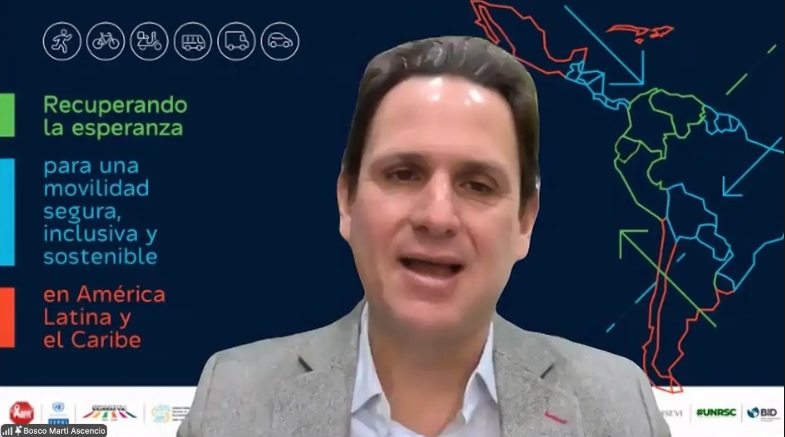
“We have made progress that we can build on, but there is still much work to be done. We need to make the most of the years ahead and do so together. It is now up to us to act, strengthen ties between countries and institutions, share what works, learn from our experiences and translate international agreements into concrete actions and results,” said Bosco Marti, President of Aleatica Foundation for Road Safety.
A Regional Agenda Building on Progress
According to the World Health Organization (WHO), the global road traffic death rate decreased by 21% between 2011 and 2025, while in the Americas it remained virtually unchanged, with a reduction of just 0.11%, or 165 fewer deaths.
This lag is also reflected in the actions outlined by governments. Of the 68 country declarations analyzed by the Global Alliance of NGOs for Road Safety, only 16% included funding commitments for road safety. Among the 13 declarations from Latin America, 67% referred to a national road safety plan or strategy, but 84% did not mention pedestrian infrastructure. Fifteen percent of respondents mentioned the use of certified motorcycle helmets and not one mentioned reduced speed limits.
In the face of shared challenges, cooperation and the exchange of experiences across regions can help drive action.
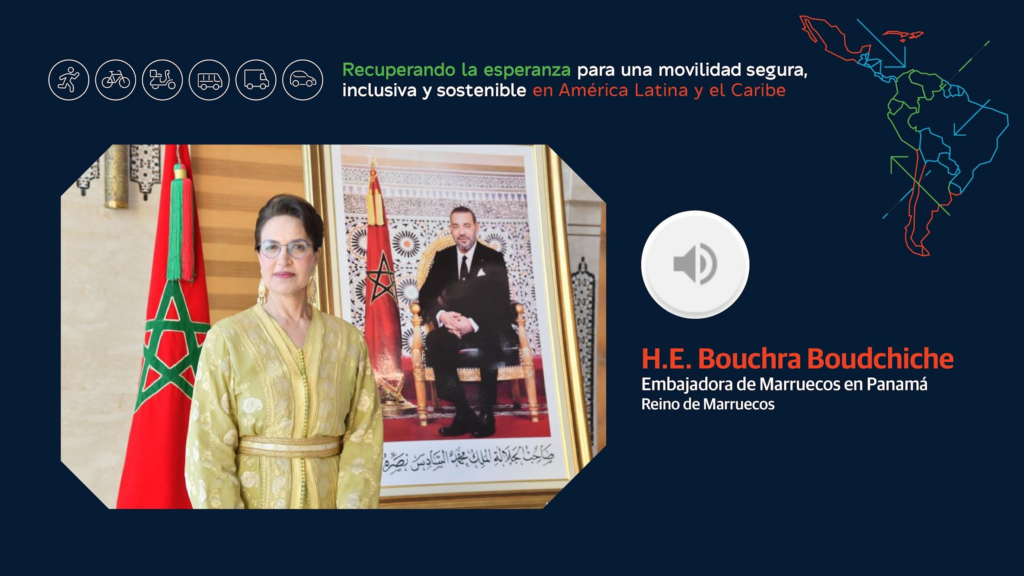
“Africa and Latin America have more in common than we sometimes realize. We share challenges such as the increased use of motorcycles and the protection of vulnerable road users. For this reason, Morocco firmly believes in South-South and triangular cooperation as a means to accelerate progress,” said Bouchra Boudchiche, Ambassador of the Kingdom of Morocco to the Republic of Panama.
The Region Has Tools to Move Forward
Experts identified three priorities for translating commitments into action: ensuring adequate funding and institutional capacity, improving data to inform decision-making, and strengthening cooperation to scale solutions that have proven effective.
Among the main challenges, the participants highlighted the protection of pedestrians and motorcyclists through measures focused on infrastructure, vehicle safety, safe speeds, enforcement and the use of certified motorcycle helmets.
The Ibero-American Strategic Framework for Safe Mobility, the Madrid Declaration and the Ibero-American Safe Mobility Index provide 11 tools to measure progress and guide priorities, including comprehensive support for road traffic victims, safe infrastructure and effective enforcement. The experts agreed that these resources are already available; the challenge is to use them decisively to accelerate progress in reducing road traffic accidents and to save more lives on the region’s roads and in its cities.
From the perspective of road traffic victims the President of FICVI, Jeanne Picard explained that, “Investing in road safety means investing in life. All victims must have access to restorative justice and comprehensive support. We must turn a daily tragedy into a shared hope. We are all part of the solution.”
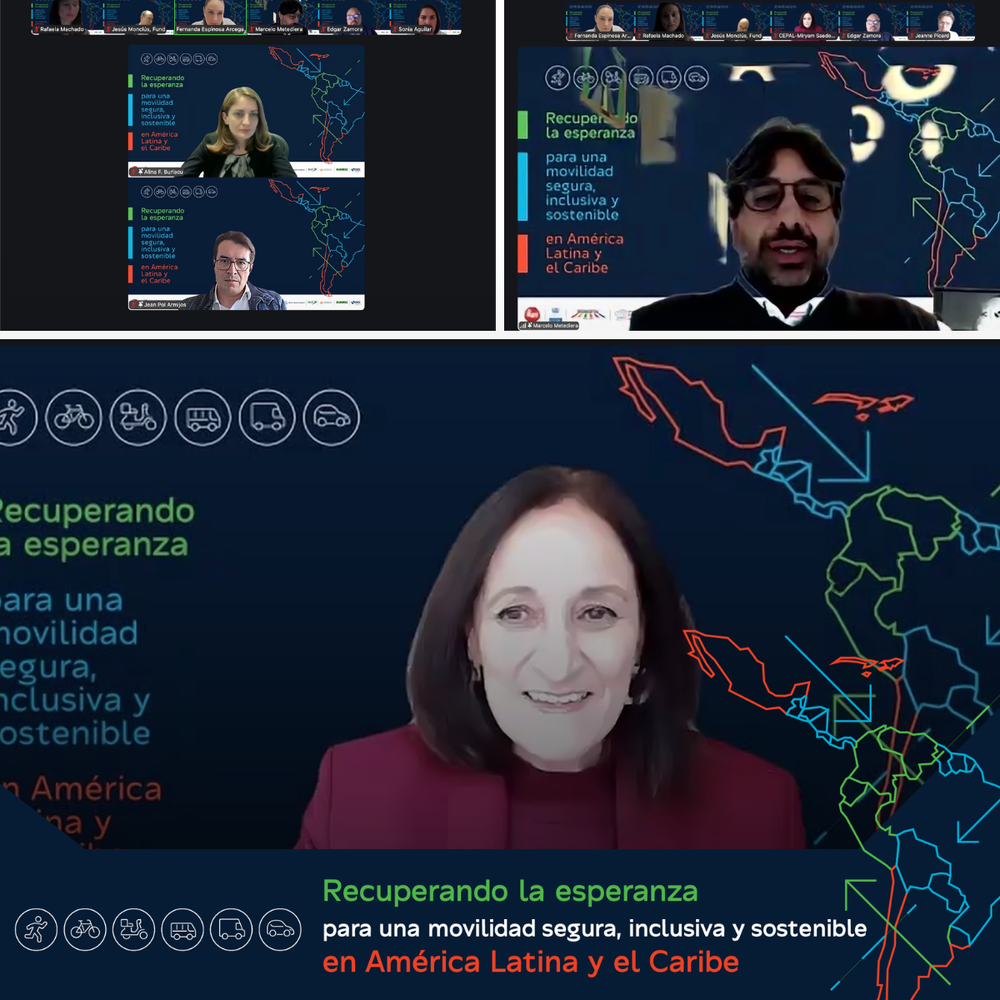
The event also featured Alina Burlacu, Senior Transport Specialist and Program Manager of the Global Road Safety Facility at the World Bank; Jean Pol Armijos, Senior Transport Specialist at the IDB; Miryam Saade, Officer-in-Charge of ECLAC’s Infrastructure Services Unit; Rafaela Machado, Programmes Manager at FIA Foundation; Jesús Monclús, Director of Prevention and Road Safety at Fundación MAPFRE; Sonia Aguilar, Regional Coordinator for Latin America at the Global Alliance of NGOs for Road Safety; Edgar Zamora, Safer Journeys Regional Leader for the Americas at iRAP; Marcelo Metediera, President of OISEVI; and Fernanda Espinosa, Director of the Aleatica Foundation for Road Safety.
Sharing these advancements and capabilities creates an opportunity to accelerate progress across Latin America and the Caribbean. Continued regional cooperation will make it possible to continue to share knowledge, align efforts and translate priorities into policies, investments and solutions that help prevent road traffic deaths and serious injuries and advance safer, more inclusive and sustainable mobility.