The Aleatica Foundation for Road Safety, A.C. is a non-profit organization, established in 2022, that works to prevent serious injuries and deaths from road accidents through public advocacy, social awareness, and the development of evidence-based knowledge. Its activities are mainly carried out in Mexico, with a regional and international perspective.
The Foundation’s work is based on the Safe System approach, which recognizes that human error is inevitable and that the prevention of serious injuries and deaths depends on the design of safer mobility systems, the adoption of appropriate technical standards, and the priority protection of the most vulnerable road customers.
Mission
To support strategic actions that make the right to mobility under safe road conditions a reality for all people, by promoting a public agenda with multisectoral participation that encourages safe infrastructure, safe speeds, and safe use of traffic routes.
Vision
To be the leading foundation and catalyst for cultural change in road safety, contributing—from a multisectoral and multifactorial perspective—to the achievement of Road Safety Decade 2021-2030 goals.
Values
Safety: a right and necessity
Excellence: quality at its highest
Responsibility: Social, sustainable and environmental
Respect for life: This is the cornerstone of all our actions, ensuring that every measure, initiative, and policy we adopt protects and preserves the physical integrity of people on the roads.
Law-abiding culture: Rules are not mere formalities, but essential tools for safeguarding collective well-being.
Transparency: building trust with beneficiaries, partners, and stakeholders.
Strategic Pillars:
Public impact
This is a central pillar of Aleatica Foundation’s work and aims to contribute to strengthening policies, laws, and regulations that reduce road accidents, based on a Safe System approach and prioritizing the protection of the most vulnerable customers.
Raising awareness
Achieved through training, education, skill-building, and recognition programs for social initiatives that contribute to building a culture of safe mobility.
Building knowledge
Seeks to bridge the gap between information, perception, and action, transforming data and research into accessible and useful inputs for authorities, specialists, civil society organizations, the private sector, and citizens. Knowledge generation is conceived as a key enabler by providing evidence that guides more effective, targeted interventions with greater impact on the protection of life.
Strategic components
The institutional strategy of Aleatica Foundation is structured around three strategic components:
Safe Road Infrastructure
This component seeks to ensure that roads, streets, and mobility spaces are designed and managed to minimize the risks inherent in traffic and reduce the likelihood and severity of accidents. This involves, among other things, implementing error-tolerant designs—such as well-marked intersections, physical separators, elevated crosswalks, and protected bike lanes—and incorporating internationally validated technical criteria to protect the most vulnerable customers, such as pedestrians and motorcyclists.
Safe speeds
Safe speed management is a fundamental component, as the probability of death or serious injury increases dramatically with impact speed. This requires establishing speed limits that correspond to the road design and the potential for conflict between users, as well as effective control and enforcement mechanisms.
Safe use of traffic routes
This component recognizes that users must be able to interact with the mobility system safely. This involves encouraging responsible behavior (such as the use of safety devices and rules compliance), designing campaigns that promote safe driving practices, and ensuring that traffic rules and their enforcement are geared toward protecting the lives of everyone. The system should reduce the likelihood that common human errors (e.g., distractions or speeding) will result in fatal consequences.
Governing Bodies
The Aleatica Foundation for Road Safety has a solid governance structure comprising three key bodies: the Board of Directors, the Executive Committee, and the Advisory Committee. The latter is made up of national and international experts in road safety. Together, these bodies ensure the transparency, accountability, and effectiveness of the actions undertaken by the Foundation.
Board of Directors
The Aleatica Foundation for Road Safety has a solid governance structure comprising three key bodies: the Board of Directors, the Executive Committee, and the Advisory Committee. The latter is made up of national and international experts in road safety. Together, these bodies ensure the transparency, accountability, and effectiveness of the actions undertaken by the Foundation.
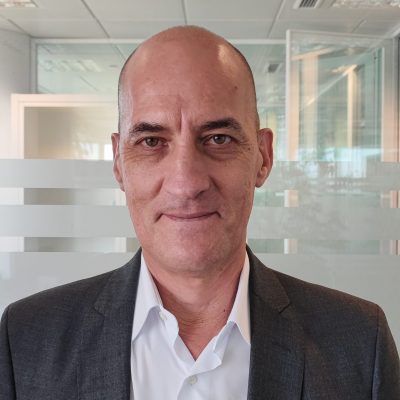
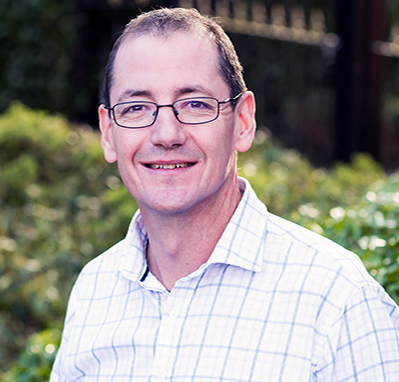
Rob McInerney es el Director Ejecutivo del Programa Internacional de Evaluación de Carreteras (iRAP), una organización benéfica registrada con la visión de un mundo libre de carreteras de alto riesgo. Con los proyectos y programas iRAP ahora activos en más de 100 países en todo el mundo, Rob trabaja en estrecha colaboración con líderes clave de bancos de desarrollo, políticos, gubernamentales, corporativos y técnicos de cada país para desarrollar la capacidad local y brindar beneficios de seguridad vial a gran escala y a largo plazo a través de la provisión de infraestructura vial más segura como parte de sus propios programas iRAP. Las asociaciones iRAP en todo el mundo ahora han ayudado a salvar a más de 400,000 personas de la muerte y lesiones graves causadas por accidentes de tráfico.
Rob recibió el premio ITE Transport Professional Award en 2022, el “Alex Award” for Road Safety en 2022, el IRF Global Road Safety Award en 2017, la beca del Australasian College of Road Safety en 2015 y recibió el premio Prince Michael International Road Safety Award en 2014 y nuevamente en 2020 en reconocimiento al trabajo de iRAP a nivel mundial.
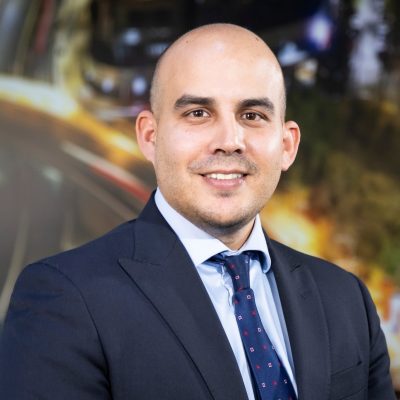
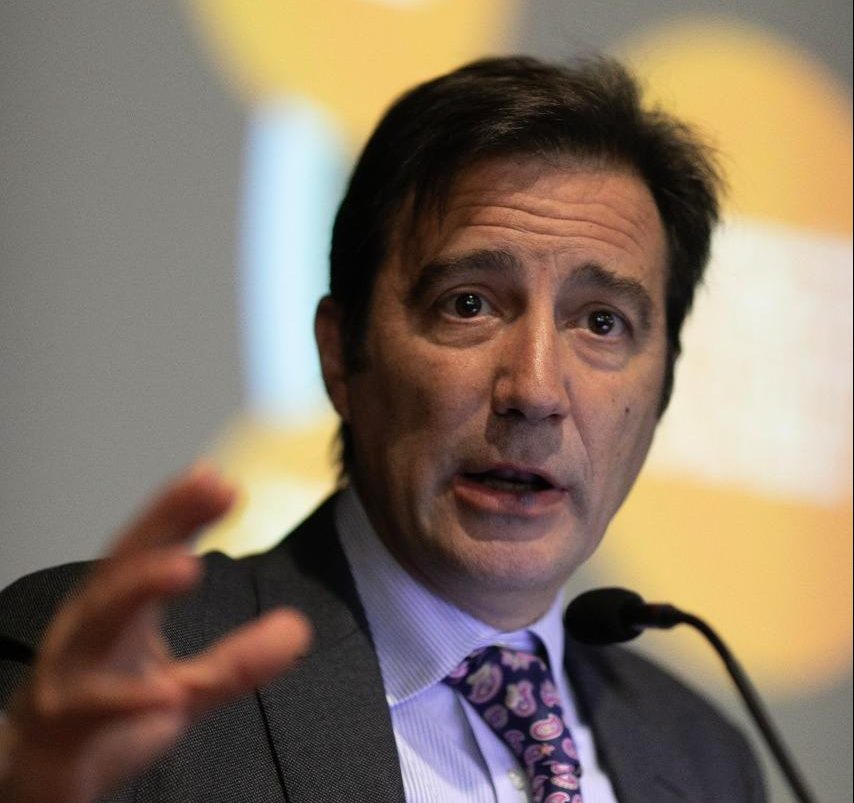
Francisco Alonso
Director of the Institute of Traffic and Road Safety at the University of Valencia
Bachelor’s degree in Psychology and PhD in Decision Making from the University of Valencia, Master’s degree in Communication from Miguel Hernández University in Elche, and Master’s degree in Strategic Consulting from the University of Valencia. Full professor at the University of Valencia since 1996, specializing in Traffic and Road Safety. Director of the University Institute for Research in Traffic and Road Safety (INTRAS) from 2014 to the present, researcher at the same institute, and Director of the DATS Research Group since 1995, all belonging to the University of Valencia. Advisor to ITS Spain, member of the Board of Directors and Executive Committee, member of the Spanish Association of Mobility as a Service (MaaS Spain), member of the Intelligent Mobility Forum, and coordinator of the Technical Secretariat of the Connected Mobility Platform chaired by CEDEX (Center for Public Works Studies and Experimentation). Member of the Board and Permanent Committee of INTRAS, member of the Board of the Department of Basic Psychology, Consulting Member of the Traffic Council of the Valencian Community, Member of Road Safety of the Sustainable Mobility Board of the Valencia City Council.
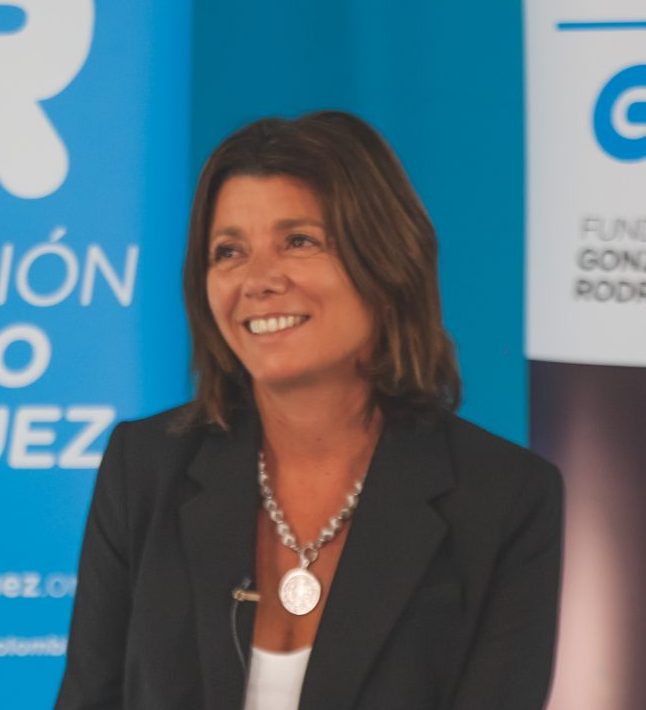
María José Pessano
Executive Director of the Gonzalo Rodríguez Foundation
She has a degree in Management and is an expert in planning and administration. She has been part of the organization’s team since its inception in 2001 and has led projects related to child road safety in various Latin American countries over the last decade.
The Gonzalo Rodríguez Foundation is an international leader in child road safety. Drawing on its technical expertise and experience in promoting regulations and public policies related to the care of children and adolescents in traffic, it collaborates with national and subnational governments, academia, and civil society in different countries in Latin America and the Caribbean to achieve progress in this area.
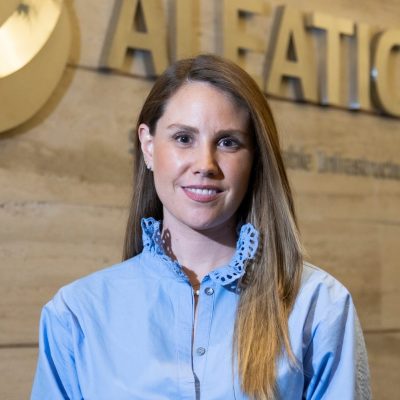
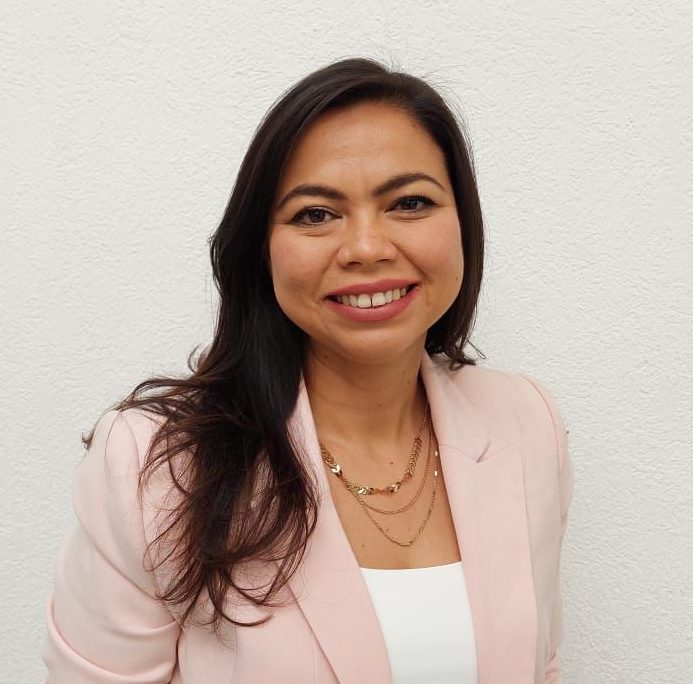
Alejandra Leal
Co-director of Céntrico
Specialist in public policy on mobility and road safety. She is co-director of Céntrico, founded in 2016, which, through the Safe Mobility Coalition, promoted the General Law on Mobility and Road Safety and the constitutional reform of the right to mobility. She is an economist from CIDE and has a master’s degree in public policy from the Hertie School of Governance in Berlin. She has advised local governments in Mexico on street design and traffic regulations projects. She has coordinated and co-authored publications for various agencies, including CONAPRA’s Más Ciclistas más Seguros (More Safe Cyclists), Regulatory Proposals for Better Public Spending on Urban Mobility for the Chamber of Deputies, Ciclociudades Ranking, SEDATU’s Street Manual, and Movilidad 4s para México (Mobility 4s for Mexico), among others.
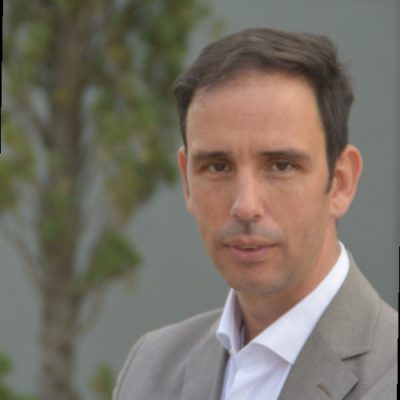
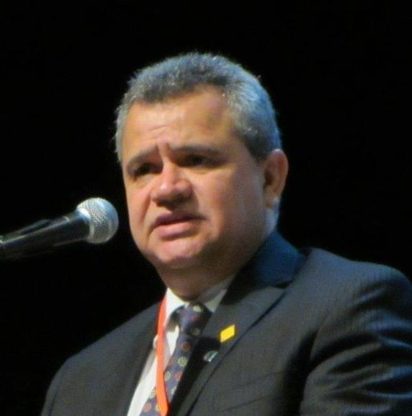
Roy Rojas
Senior International Advisor on Road Safety
Current Project Director, COSEVI, and Coordinator of the Commission on the Situation of Motorcycles in Ibero-America, within the framework of the Ibero-American Road Safety Program/OISEVI.
Between 2021 and 2019, he was Coordinator of the Technical Cooperation Program between Costa Rica and the Dominican Republic, sponsored by the Pan American Health Organization.Between 2019 and 2021, he was Coordinator of the Technical Cooperation Program between Costa Rica and the Dominican Republic, sponsored by the Pan American Health Organization. Between 2016 and 2017, he served as Coordinator of the Technical Team, Technical Secretariat of the Ibero-American Road Safety Observatory (OISEVI).
Between 2008 and 2013, he was International Advisor on Road Safety at the World Health Organization/Pan American Health Organization, Mexico Headquarters, and between 2005 and 2007, he was Executive Director of the Costa Rican Road Safety Council.