

March 6, 2026
Getting around the city seems like just another everyday activity, but for many women, each journey involves more than just moving from one place to another. It involves calculating routes, avoiding poorly lit streets, or changing paths to feel safer.
On the streets, women face a different reality, not because they walk differently, but because the transportation system has historically not been designed for their journeys. Behind each journey there is a story that is rarely considered in our urban planning.
This March 8, International Women’s Day, we at Fundación Aleatica are raising our voices for the fundamental right to travel safely. To talk about mobility is to talk about social justice, opportunities, and life. In this context, the multiple journeys that women make to sustain daily life make up what is known as Care Mobility: taking children to school, accompanying the elderly, shopping, or attending to household chores. These are essential journeys that, despite their importance, remain invisible in urban planning.
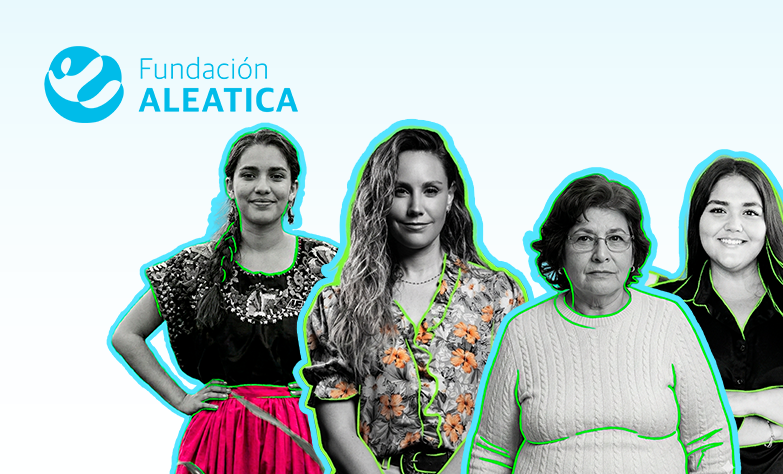
According to the Aleatica Foundation’s recent Road Safety Perception Survey, the need for change is clear:
- 64% of people who most frequently use multiple modes of transportation are women.
- Access to safe motor vehicles remains more difficult for women, forcing them to rely on public transportation systems that are not always inclusive.
- Seven out of ten women feel unsafe when using public transportation, facing risks of harassment, violence, and inadequate infrastructure design.
When our streets fail, we lose much more than time: we lose lives. Changing this reality requires rethinking our roads from a human perspective. For the right to mobility to be real, we need infrastructure that puts people front and centre:
- Suitable, safe sidewalks for those who walk around the city
- Crosswalks with clear signage and right of way
- Adequate lighting on every corner and bus stop
This #8M, we invite you to become part of the solution. Staying informed and promoting a culture of respect are necessary steps toward building safer, more inclusive, and humane road spaces. Because if a city works for women, it works for everyone.
We Are Road Safety!